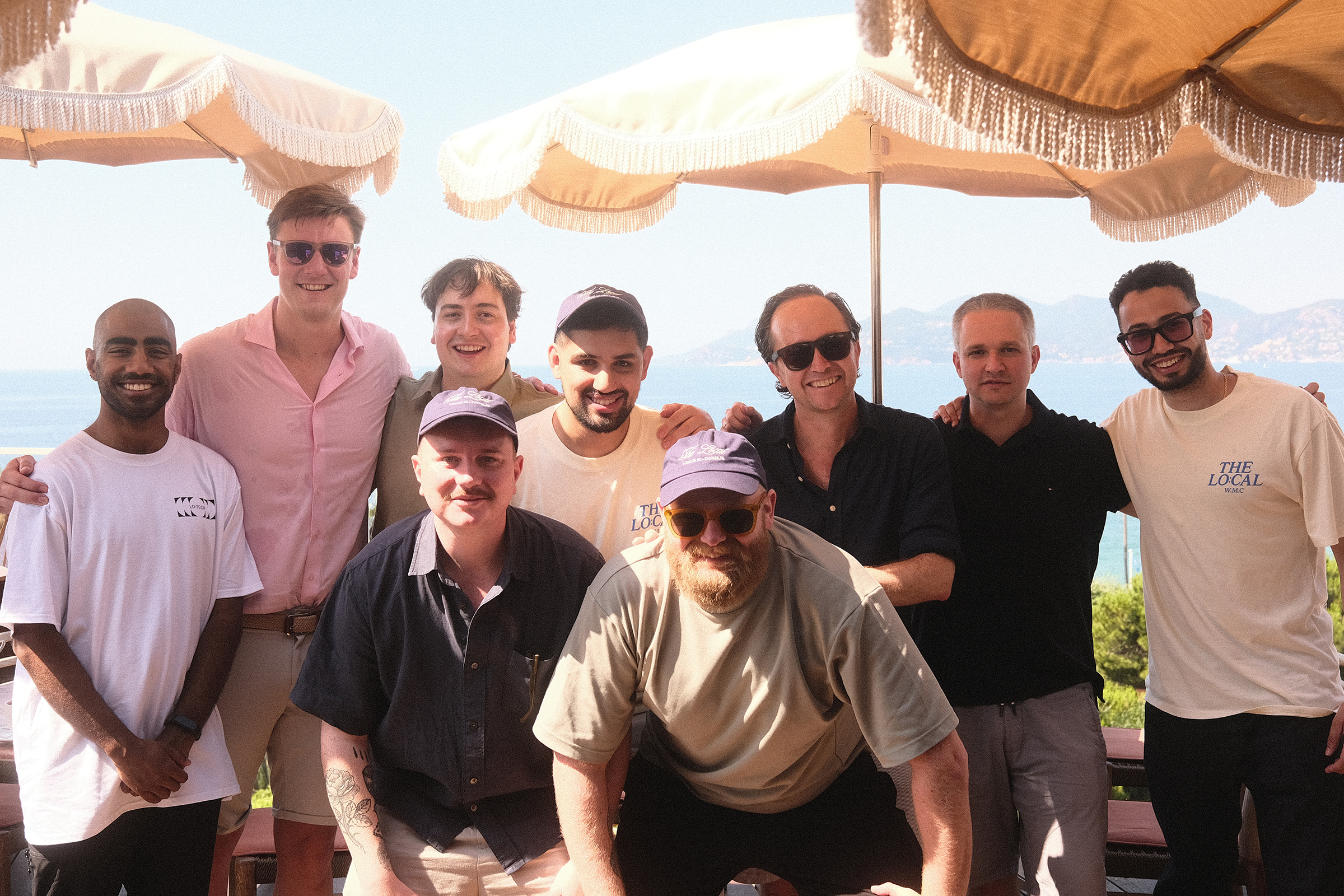
The LO:TECH team
LO:TECH’s central belief is that all capital markets activity will ultimately move on-chain. From the spot trading of tokens today, to derivatives, structured products, OTC execution, dark pools, and more. They are building for that future with clarity, urgency, and surgical precision.
Crypto markets have matured significantly but the foundational infrastructure remains fragile, fragmented, and misaligned. This isn’t just an inconvenience, it’s a structural drag on capital formation, the nirvana of price discovery and institutional participation. LO:TECH is not augmenting or adapting these rails, they’re architecting new ones from first principles. Sweet spreads and even sweeter intentions. That is the kind of bread-and-butter fintech philosophy we like here.
Today’s Market Structure Is Broken. That’s the Opportunity.
Here’s the problem:
Liquidity is fractured across the plethora of CEX’s and DEX venues.
- Traders face the cold-open of wide spreads, poor execution, and the chasm of unpredictable slippage. Projects launching tokens often struggle to maintain orderly markets even on Tier 1 exchanges.
- Yes, managing execution and market depth is MM101. But now, more than ever as crypto participation amalgams for the future of markets, it is an apex priority for the complex liquidity needs of a new generation of token issuers.
Market making has become a black box. Bad actors are rife and too often, “liquidity” is manufactured via wash trading, spoofing, or manipulative quote stuffing.
- Most token projects lack visibility into what their market makers are up to and ultimately communities pay the price.
- Some find out too late that the incentives were never aligned, as bad practise “chart painting” and price manipulation can leave tokens in artificial freefall or spikes.
Data quality is inconsistent and incomplete. On-chain data can be delayed or noisy, and reliable cross-venue pricing is often stitched together manually by funds and protocols. This creates massive informational asymmetry.
These aren’t small inefficiencies. They are structural failures that erode trust and limit growth. For the next generation of capital markets to function on-chain, transparency, performance, and composability need to be the default – not the exception.
This is where LO:TECH comes in – building infrastructure and services to fix the foundations.
LO:TECH are solving for every aspect of this dysfunction:
1. Liquidity Provision
Using HFT principles, LO:TECH’s systems identify and arbitrage fragmented markets in real time, smoothing out inconsistencies and enabling continuous price discovery.
Their strategies are dynamic, self-correcting, and deployed across CeFi and DeFi venues wherever price signals emerge.
2. Market Making as a Service (MMaaS) – Ethics as Differentiation
This is where LO:TECH stands out most clearly. The incentive structure of MM is broken, and they’ve designed a market making model that is both technically robust and ethically principled.
Rather than obscure their execution behind opaque contracts, they operate an entirely new model:
- Unparalleled transparency: real-time metrics, reporting dashboards and performance data
- Aligned incentives: no hidden rebates, no backdoor spreads, no wash volume; a simple commercial model completely aligned to the customer
- Credibility: a clear commitment to honest liquidity, without market manipulation
This approach isn’t just about compliance – it’s a strategic wedge. As token issuers, DAOs, and exchanges face greater regulatory scrutiny and institutional standards, LO:TECH’s “clean liquidity” offering will increasingly be table stakes.
In a market still plagued by bad practice, they’re choosing the harder path and resonating with clients because of it.
3. Market Data Services
- LO:TECH aggregates, cleans, and standardizes data from fragmented exchanges and on-chain sources into a single, high-quality API. This is critical plumbing: accurate pricing not only fuels better trading, but also powers DeFi protocols and oracle systems with accurate, consistent and dependable data.
With integrations into leading oracle networks like Pyth, and clients such as OneMarketData and dYdX, this data business is already showing signs of strong product-market fit. As capital markets continue to shift on-chain, we expect this to become a sticky, high-margin growth engine.
A Flywheel Business with Real Traction
What we loved about LO:TECH’s architecture is that it’s designed to compound. More venue integrations increase trading coverage and yield better data, which enhances the market making product. Each new client improves the offering for everyone else.
And it’s working. Since coming out of stealth in August 2024, LO:TECH has:
- Signed 20 clients across MMaas and Market Data
- Crushed revenue targets
- Delivered infrastructure trusted by institutional names
- Kicked-off a VASP license application to unlock global agency and OTC trading services for clients
They’ve seen demand ramp faster than their current capacity. A rare, validating signal. This raise is not to find growth it’s to keep up with it.
A Team That Knows the Terrain
The LO:TECH founding team combines rare experience across traditional finance, crypto, and high-performance engineering:
- Tim Meggs (CEO): 22 years building trading systems across banks, hedge funds, and HFT firms. His fluency and fascination in cross-asset infrastructure are clear in the company’s product dexterity and velocity.
- Marcus Horsley (CTO): A Cambridge PhD with experience in quant research and DeFi project launches. He brings both analytical rigor and native crypto intuition.
- Alex Williams (Head of Engineering): A systems engineer with a decade building mission-critical infrastructure for hedge funds. He’s exactly the kind of operator you want in the trenches.
This is a team that builds fast, ships carefully, and stays focused.
Why Now
The next wave of capital is entering crypto. Regulatory frameworks are catching up. And the need for trustworthy, performant, and scalable infrastructure has never been greater.
LO:TECH is meeting this moment with clarity: they are designing capital markets infrastructure that is fast enough for HFT, clean enough for regulators, and modular enough for on-chain composability. They’re not bolting on crypto to TradFi, instead they’re re-engineering the rails for an on-chain future,
That’s the future we believe in. And that’s why we invested.